The Art of Glass Packaging: Transforming Your Brand With Sustainable Glass Bottles
The science of glass packaging provides brands with an exceptional opportunity for distinction. Through sustainable practices, glass bottles not only enhance visual appeal but also align with eco-conscious consumer values. Their inherent qualities, encompassing recyclability and material safety, demonstrate a steadfast commitment to excellence. As brands navigate this evolving landscape, grasping the diverse advantages and obstacles of glass packaging is critical for sustained growth. What forward-thinking methods are companies adopting to fully harness these opportunities?
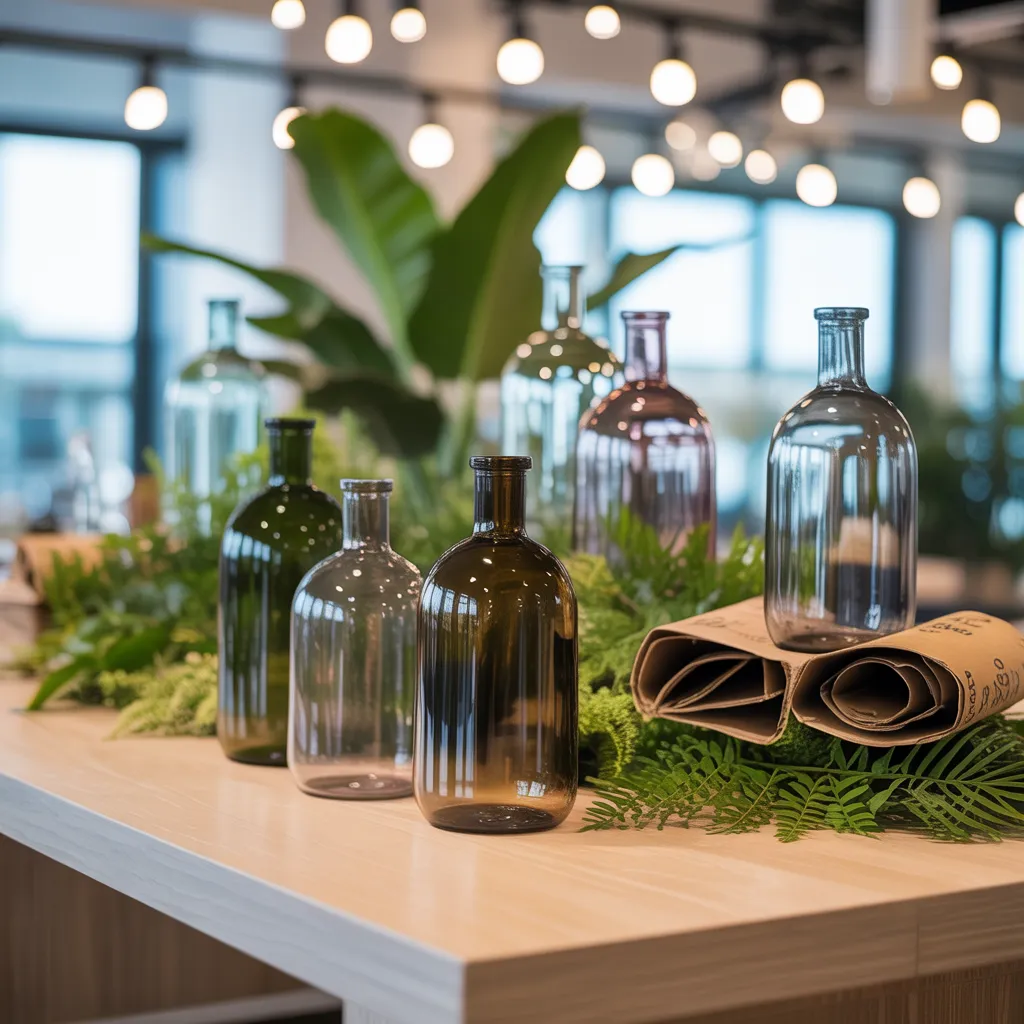
What Makes Glass Packaging the Right Choice for Your Brand
Selecting glass as a packaging material can considerably elevate a brand's reputation and environmental initiatives. Companies that choose glass packaging demonstrate a pledge to superior standards and premium experiences, resonating with sophisticated customers who appreciate aesthetic and functional attributes. Glass offers a timeless and elegant appearance, strengthening a brand's visual presence while delivering a physical interaction that synthetic materials fail to replicate.
Furthermore, glass containers project an image of purity and safety, as it is absent of harmful chemicals often found in plastics. This decision can appeal to sustainability-minded buyers who associate glass with responsible practices. Additionally, its robust construction supports reuse, further reinforcing a brand's dedication to sustainability.
In a market growing more conscious of environmental impact, embracing glass packaging solutions can set a brand apart fostering consumer loyalty and strengthening brand trust. Ultimately, this deliberate decision establishes brands as frontrunners in quality and environmental responsibility, resonating with contemporary consumer expectations.
The Eco-Friendly Advantages of Glass Bottles
Glass containers provide significant sustainability benefits that differentiate them from competing packaging solutions. These containers are fully recyclable, supporting a sustainable economy where materials can be reused indefinitely without degradation in quality. This characteristic considerably decreases the demand for raw materials, thus reducing material extraction and energy consumption linked to the production process.
Furthermore, glass packaging is inert, meaning it does not release toxic substances into its stored materials, ensuring healthier consumption. As opposed to plastic, glass does not add to microplastic pollution, which is a mounting environmental challenge.
Glass bottle production also involves reduced greenhouse gas emissions in comparison to plastic. With advancements in manufacturing processes, energy efficiency has improved, additionally minimizing the environmental impact associated with producing glass.
Innovative Designs That Enhance Glass Packaging
Innovative patterns in glass containers are transforming how items are presented. Distinctive forms and designs not only improve usability but also attract consumer attention. Additionally, eye-catching color palettes further boost the overall appearance, making glass packaging distinguish themselves in retail spaces.
Remarkable Shapes and Structures
Revolutionary approaches in packaging made from glass not only improve visual attractiveness but also serve a critical function in brand differentiation. Unique shapes and structures can create memorable consumer experiences, making products stand out on packed product see the details displays. For example, non-symmetrical bottles or structured geometric forms can generate fascination and stimulate consumer interest. These original shapes often correspond with a brand's core values, reinforcing its message and values. Additionally, original designs can boost practicality, such as easier handling or enhanced pouring. Organizations that embrace creative glass packaging solutions convey a devotion to craftsmanship and eco-consciousness, attracting environmentally conscious consumers. When focusing on distinctiveness in their packaging designs, companies can foster deeper connections with their audience, in turn promoting long-term loyalty and broadening their market reach.
Visually Striking Color Palettes
Vibrant color palettes serve a vital function in enhancing glass packaging, turning everyday bottles into striking visual declarations. Through the thoughtful application of carefully selected colors, brands can evoke emotions and create memorable experiences for consumers. Bold colors can signify premium quality, as more subdued tones often suggest grace and distinction.
Moreover, the use of gradient and multi-tone aesthetics adds depth and intrigue, capturing attention on busy shelves. Eco-conscious practices additionally boost the appeal; sustainable dyes and finishes appeal to environmentally aware consumers. In the end, the ideal color palette not only reflects a brand's identity but also reinforces its commitment to sustainability, making glass packaging a powerful tool for differentiation in a competitive market.
What Role Does Glass Packaging Play in Enhancing Product Perception?
Glass packaging markedly enhances how products are perceived through its premium feel and appeal, instilling a sense of elegance in consumers. The inherent transparency and optical clarity of glass provide a clear and unimpeded view of the contents, solidifying the product's quality appeal. Additionally, using glass aligns with eco-friendly brand positioning, appealing to environmentally conscious consumers.
Outstanding Feel And Appeal
Utilizing glass packaging considerably boosts the perceived value of a product, often associating it with quality and sophistication. Consumers frequently associate glass with high-end appeal, contributing to improved brand commitment and favorable customer interactions. The physical feel of glass, with its smooth texture and weight, contributes to a premium feel that plastic fails to reproduce. This sensory engagement builds a relationship between the product and the consumer, fostering a perception of excellence. Additionally, glass packaging demonstrates a dedication to sustainability, attracting eco-aware consumers. Therefore, companies using glass packaging can position themselves as higher-end alternatives within their markets, appealing to thoughtful consumers who prioritize both visual appeal and responsible practices in their purchasing decisions.
Visual Clearness And Transparency
When shoppers come across products in glass containers, their experience is commonly improved by the intrinsic visual see-through quality it delivers. This transparency allows potential buyers to see the product inside, creating an atmosphere of reliability and credibility. The transparency of glass not only displays the product's excellence but also emphasizes its hue and texture, enhancing visual appeal. Moreover, the removal of labeling interference on clear glass enables the product to stand at the forefront, creating a more engaging shopping experience. Glass containers can enhance brand image by communicating a dedication to excellence and artisanship. This visual clarity ultimately influences consumer decisions, fostering a stronger sentimental bond with the product and the company.
Eco-Friendly Brand Positioning
Environmentally aware brands utilize glass packaging to strengthen their dedication to eco-friendly practices, effectively enhancing product perception. Glass projects an image of quality and authenticity, establishing a superior benchmark against plastic options. This substance not only underscores the green values of a brand but also appeals to consumers who prioritize environmentally responsible choices. The physical sensation of glass—its heft and feel—additionally enhances the perceived worth of the product. Furthermore, the recyclable nature of glass corresponds with the increasing consumer appetite for sustainable habits, cultivating customer loyalty. By choosing glass, brands not only showcase their dedication to the environment but also establish their products as high-end choices, consequently developing a distinguished presence in a competitive industry.
Examples of Brands Thriving With Glass Packaging
A growing number of businesses are thriving by transitioning to glass packaging, highlighting its attractiveness to buyers and pledge to sustainable practices. As an example, a well-known beverage company shifted to glass bottles, producing a 30% boost in sales within a year. The change not only enhanced product visibility on shelves but also appealed to eco-conscious consumers, solidifying the brand's sustainability message.
One other cosmetic company made a successful switch to glass containers, greatly elevating its premium image. This shift attracted a dedicated clientele that prioritizes both design quality and sustainable values. Furthermore, a craft beer producer embraced reusable glass containers, fostering customer loyalty and reducing waste. These examples demonstrate that glass packaging not only meets market needs for environmentally responsible choices but also bolsters brand value and industry presence. These deliberate decisions reflect a growing trend among brands aiming to incorporate green principles into their strategies while attracting today's environmentally aware shoppers.
Ways to Address Challenges in Glass Packaging
Navigating the challenges of glass packaging necessitates innovative strategies and a keen understanding of the market. Businesses often face obstacles such as elevated manufacturing expenses, weight concerns, and breakability. To tackle these, brands can adopt advanced manufacturing techniques that reduce waste and enhance durability. Working alongside suppliers to source sustainable resources also mitigates environmental consequences while attracting environmentally conscious consumers.
A further difficulty is the logistics of transportation, considering the substantial weight of glass. Implementing smart logistics solutions, encompassing improved shipping methods and efficient packaging solutions, can help minimize costs and guarantee product safety during transit. Moreover, informing customers about the advantages of glass compared to plastic can build brand loyalty and stimulate demand. By implementing these methods, companies can surmount challenges in glass packaging and distinguish themselves as innovators in eco-friendly practices, thereby strengthening their brand reputation and market standing.
Future Trends in Sustainable Glass Packaging
As the appetite for sustainable packaging solutions expands, the glass packaging industry is set for remarkable evolution. Breakthroughs in manufacturing techniques are projected to boost energy efficiency, minimizing the carbon emissions tied to glass production. Additionally, the adoption of lightweight glass bottles will emerge as a key trend, decreasing transportation emissions while maintaining product integrity.
Recycling efforts will continue to strengthen, with enhanced partnerships between manufacturers and municipalities to advance glass recovery and handling. Furthermore, the incorporation of intelligent technology within packaging will facilitate improved clarity throughout the supply chain, enabling brands to showcase their sustainability efforts effectively.
Growing consumer demand for sustainable products will further accelerate the creation of tailored, visually appealing designs, blending practicality with aesthetic charm. With sustainability becoming a top priority for brands, the glass packaging market is prepared to reshape its direction, harmonizing with global sustainability targets while fulfilling the needs of an eco-conscious audience.
Common Questions and Answers
What Are the Costs Associated With Glass Packaging Compared to Plastic?
Glass packaging commonly involves increased expenditures due to manufacturing, shipping, and recycling requirements relative to plastic packaging. However, it delivers eco-friendly benefits and stronger brand positioning, which may validate the cost for select businesses.
What Are My Options for Customizing Glass Bottles for My Brand?
Businesses can customize glass bottles by using distinctive shapes, hues, and textures. Engraving, labeling, and printing designs elevate brand image. Working alongside manufacturers ensures consistency with eco-friendly initiatives without compromising visual appeal and practicality.
Do Specific Regulations Exist for Glass Packaging?
Indeed, particular regulations for glass packaging are in place, differing across regions. These include safety standards, labeling requirements, and recycling guidelines, safeguarding consumer safety and environmental responsibility while encouraging sustainable practices in packaging manufacturing and distribution.
What Are the Most Effective Best Practices for Recycling Glass Bottles?
When recycling glass bottles properly, residents should rinse them to remove residues, detach any lids or caps, and separate them by color. In addition, they should check local guidelines for specific recycling protocols and drop-off locations to guarantee proper processing.
How Does Glass Packaging Affect Shipping and Logistics?
Glass packaging notably influences the shipping and logistics process by introducing increased weight and fragility, requiring careful handling and specialized transport solutions. This often leads to increased expenses and more complicated supply chain operations when compared to lighter and more resilient materials.